by devadmin | Jul 21, 2025 | Prenatal Care
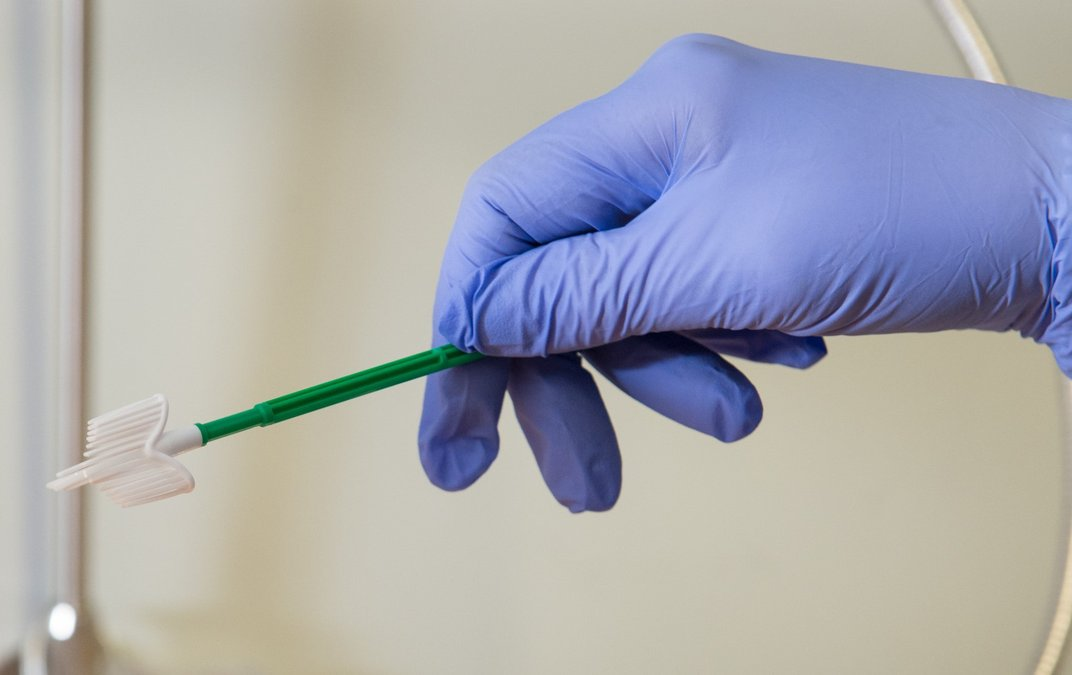
Pap smears are crucial for early detection of HPV and cervical cancer. They’re simple, quick tests that can catch changes in your cervix before they become serious. The schedule: Start at age 21: every 3 years Ages 30–65: every 5 years (often with HPV...

by devadmin | Jul 21, 2025 | Prenatal Care
Many people are surprised by how much their vaginal discharge changes throughout their lives. It’s completely normal to experience different textures, colors, and amounts—and it’s actually your body’s way of staying clean and healthy. Discharge helps cleanse the...

by devadmin | Jul 21, 2025 | Prenatal Care
Writing out your birth preferences (sometimes called a birth plan) is a great way to prepare emotionally and logistically for your labor. It’s not about controlling the outcome—it’s about communicating your values and wishes. Start with these questions: Who do I want...

by devadmin | Jul 21, 2025 | Prenatal Care
The phrase “eating for two” doesn’t mean eating twice as much—but eating twice as mindfully. During pregnancy, what you eat directly affects your baby’s development. Essential pregnancy nutrients: Folic acid: helps prevent neural tube defects Iron: supports blood...

by devadmin | Jul 21, 2025 | Prenatal Care
Your prenatal care is the foundation of a healthy pregnancy. Whether you choose a midwife, OBGYN, or maternal fetal medicine specialist, your prenatal journey typically involves about 14 scheduled visits over 40 weeks. Here’s what to expect: First trimester: Initial...